Are you looking for reliable skull information? You’ve come to the right place. This site brings together real anatomy, cultural history, and myths worth debunking, alongside a full shop for anyone who loves the aesthetic. Whether you are a student or simply a curious mind, there is something here for you.
Skull Information: Anatomy & History

Interactive 3D Skull Model
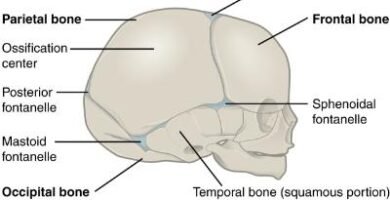
Newborn Skull & Infant Skull: Anatomy, Development and Care

Skull Facts: 7 Fascinating Things You Didn’t Know About the Human Skull

Elongated Skull: History of Cranial Deformation
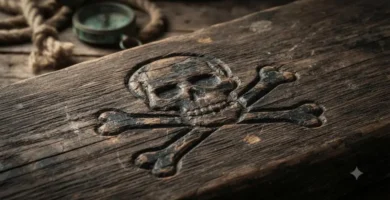
Pirate Skull: Meaning, History & the Real Story Behind the Flags
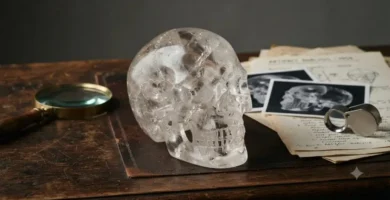
Crystal Skull: History, Legend, and the Truth Behind the Artifacts

Anatomical Skull: Bones, Structure & Function Explained
The human skull is made up of 22 bones. Together, they protect the brain and shape the face. For a full breakdown of every bone, suture, and landmark, our anatomical skull guide covers the structure in encyclopedic detail.
Skulls also carry deep cultural weight. For instance, some of the most famous “ancient” crystal skulls turn out to be 19th-century fakes. We break down the real story behind them, backed by Smithsonian and British Museum research. Elsewhere, ancient cultures intentionally reshaped the skull through cranial elongation, a practice with a documented history spanning multiple continents.
For parents and caregivers, our newborn skull guide explains why an infant’s skull isn’t fully fused at birth. In particular, it also covers what conditions like plagiocephaly actually mean. History buffs, meanwhile, might prefer our pirate skull guide, which separates the real Jolly Roger history from a flag design that’s mostly a 20th-century invention.
Prefer to see the structure in 3D instead? In that case, our interactive skull 3D model lets you explore the anatomy visually. Finally, for quick, surprising skull information, our skull facts page rounds up the details people search for most.
Shop Skull-Themed Gifts & Merchandise
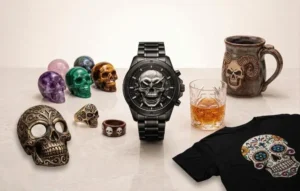
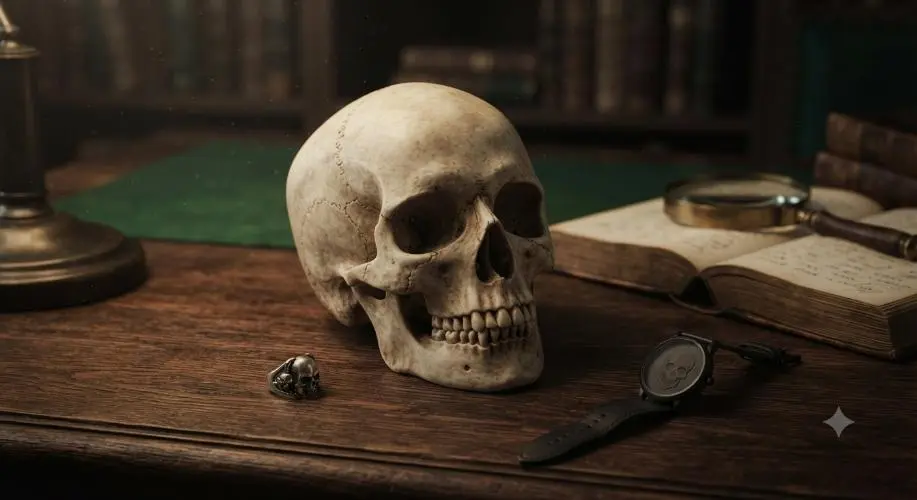
Beyond the science and history, skulls have become a full aesthetic — gothic, alternative, and everywhere in between. Our skull stuff shop curates jewelry, apparel, home decor, drinkware, and costume pieces for exactly that. According to the Gemological Institute of America, sterling silver remains one of the most popular metals in jewelry worldwide. That’s part of why it shows up across so many of our skull ring and watch designs.
Frequently Asked Questions
This site covers two things: real, sourced information about the human skull — anatomy, history, and culture — and a curated shop of skull-themed jewelry, apparel, decor, and gifts. Use the guides above to explore the science and history, or head to the shop for products.
No. Everything in our shop is a replica, decorative piece, or gemstone carving — not human remains. Real human skulls involve serious legal and ethical considerations that vary by country, and this site does not deal in them.
Yes. We treat skull information as something worth getting right. Our anatomy content is written to an encyclopedic standard and draws on established medical and academic sources, which we cite directly on each page.
Overall, if you’re here for anatomy, start with our anatomical skull guide. If you’re here for the shop, browse our full skull stuff collection.